
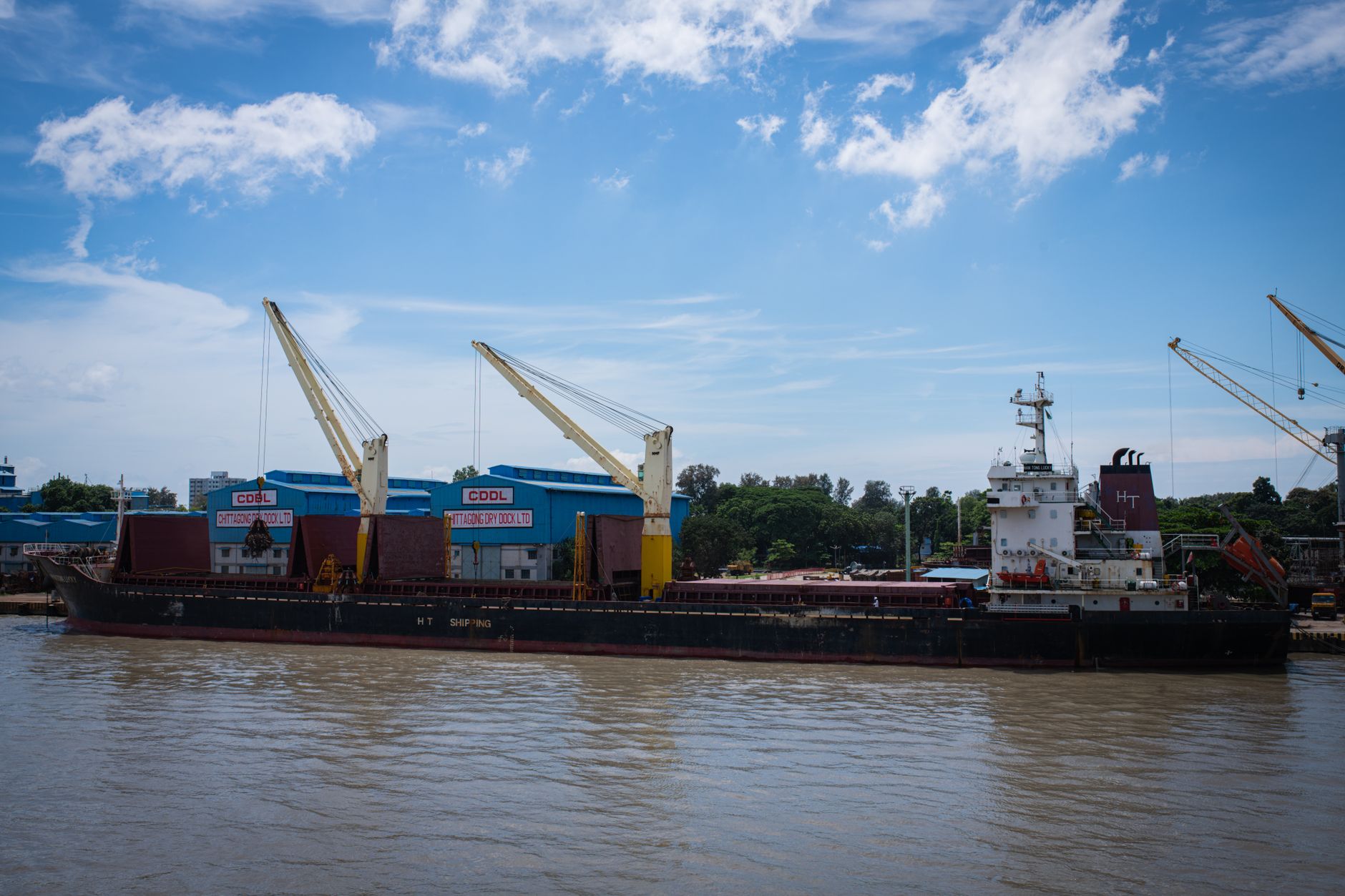
Kolkata port cargo terminal is a significant development in the logistics sector, aimed at improving cargo handling and operational efficiency.
Overview of the New Cargo Terminal
The recent inauguration of the new Kolkata port cargo terminal marks a significant advancement in the region’s logistics capabilities. This modern facility is designed to handle a diverse range of cargo, enhancing the efficiency of goods movement and promoting economic growth.
Key features of the new terminal include:
- State-of-the-art handling equipment that reduces loading and unloading times.
- Spacious storage areas optimized for various types of cargo, from bulk goods to containers.
- Advanced technology for tracking and managing shipments, ensuring transparency and reliability.
With its strategic location, the cargo terminal is expected to attract more shipping lines and increase trade volumes. Additionally, it will support local businesses by providing quicker access to global markets. This initiative not only strengthens Kolkata’s position as a key logistics hub in India but also contributes to the overall development of the region’s infrastructure.
Overall, the Kolkata port cargo terminal is a smart move that promises to streamline operations and boost the economy.
Benefits of the Kolkata Port Cargo Terminal
The inauguration of the Kolkata port cargo terminal marks a significant advancement in the region’s logistics capabilities. This new infrastructure brings several benefits that can enhance trade and transportation efficiency.
- Increased Capacity: The Kolkata port cargo terminal is designed to handle a larger volume of goods, accommodating the growing demands of international trade.
- Faster Turnaround: With modern facilities and streamlined operations, vessels can expect quicker turnaround times, reducing delays in the supply chain.
- Enhanced Connectivity: The terminal’s strategic location offers improved connectivity to major road and rail networks, facilitating seamless movement of cargo.
- Cost Efficiency: By optimizing loading and unloading processes, the terminal can lower operational costs for shipping companies and traders.
- Environmental Considerations: The facility incorporates eco-friendly practices, aiming to minimize its carbon footprint and promote sustainable logistics.
Overall, the Kolkata port cargo terminal represents a smart move for logistics, reinforcing the city’s position as a vital trade hub in India.
WCIL’s Role in Logistics Growth
The development of the Kolkata port cargo terminal marks a significant milestone in the logistics sector, and WCIL plays a pivotal role in this advancement. With the inauguration of the general cargo terminal, WCIL is set to enhance the efficiency of cargo handling in the region.
WCIL’s strategic initiatives aim to streamline operations and reduce turnaround times for vessels. This development is expected to boost trade and improve the overall supply chain management for various industries. Key contributions by WCIL include:
- Modern Infrastructure: The terminal is equipped with state-of-the-art facilities designed to accommodate a wide range of cargo.
- Technological Integration: Advanced technologies will be employed to ensure seamless logistics and tracking of shipments.
- Collaboration: Working closely with local businesses and stakeholders to foster a strong logistical ecosystem.
As a result, the Kolkata port cargo terminal is positioned to become a vital hub for logistics, driving economic growth and enhancing regional connectivity.
Impact on Local Economy
The inauguration of the Kolkata port cargo terminal is poised to significantly impact the local economy. This new facility is expected to enhance trade efficiency, leading to increased economic activity in the region.
Local businesses stand to benefit from the improved logistics infrastructure, as the terminal will facilitate quicker and more reliable transportation of goods. This efficiency can attract new businesses and encourage existing ones to expand their operations.
Moreover, the cargo terminal is likely to create numerous job opportunities for the local workforce. From construction jobs during the terminal’s development to operational roles once it becomes fully functional, the employment potential is considerable.
Additionally, the increase in cargo handling capacity at the Kolkata port will strengthen the supply chain for various sectors, including manufacturing and retail. With the terminal’s establishment, the region can expect a ripple effect of economic benefits, further embedding Kolkata as a crucial logistics hub.
In summary, the Kolkata port cargo terminal represents a strategic investment in the future of the local economy.
Future of Shipping at Kolkata Port
The future of shipping at Kolkata Port looks promising, particularly with the inauguration of the new cargo terminal. This development is set to enhance logistics efficiency and boost trade activities in the region. As global shipping continues to evolve, the Kolkata port cargo terminal positions itself as a vital hub in Eastern India.
With advancements in technology and infrastructure, the terminal aims to streamline operations, reduce turnaround times, and accommodate larger vessels. This aligns with the increasing demand for seamless logistics solutions, allowing businesses to respond quickly to market changes.
Moreover, the integration of smart technologies in terminal operations is expected to facilitate real-time tracking and management of cargo, ensuring transparency and reliability. Stakeholders are optimistic that these innovations will attract more shipping lines to Kolkata, further establishing its significance in international trade.
In conclusion, the Kolkata port cargo terminal not only symbolizes progress in maritime logistics but also signifies a strategic move towards a more connected and efficient shipping future.
Challenges in Port Development
The development of the Kolkata port cargo terminal has not been without its challenges. While the initiative promises to enhance logistical efficiency, several obstacles must be addressed to ensure its success.
- Infrastructure Limitations: The existing infrastructure at the port requires significant upgrades to accommodate increased cargo traffic. This includes the need for modernized loading and unloading equipment.
- Regulatory Hurdles: Navigating the regulatory landscape can be complex, with various compliance requirements that may delay the terminal’s operational readiness.
- Environmental Concerns: The environmental impact of port activities poses a challenge, necessitating sustainable practices to mitigate any negative effects on the surrounding ecosystem.
- Investment and Funding: Securing adequate funding for the development and maintenance of the terminal remains a critical challenge, requiring collaboration between public and private sectors.
Addressing these challenges effectively will be crucial for the successful operation of the Kolkata port cargo terminal, paving the way for a more robust logistics framework in the region.
Comparing Cargo Terminals in India
When evaluating cargo terminals across India, several factors come into play, including efficiency, capacity, and technology. The Kolkata port cargo terminal stands out in this regard, thanks to its state-of-the-art facilities and strategic location.
In comparison to other major terminals, the Kolkata cargo terminal offers:
- Advanced Infrastructure: Equipped with modern handling equipment, the terminal ensures swift loading and unloading processes.
- Strategic Location: Positioned along key trade routes, it provides easy access to both domestic and international markets.
- Environmental Sustainability: The terminal incorporates eco-friendly practices, aligning with global sustainability goals.
- Enhanced Connectivity: Well-connected to road and rail networks, facilitating seamless transportation of goods.
While other terminals, such as Mumbai and Chennai, have their own strengths, the Kolkata port cargo terminal’s unique advantages make it a competitive player in India’s logistics landscape. As the demand for efficient cargo handling continues to rise, this terminal is poised to lead the way forward.
What This Means for Importers and Exporters
The inauguration of the Kolkata port cargo terminal is a significant development for both importers and exporters. This new facility is expected to streamline operations and enhance efficiency in logistics, making it easier for businesses to move goods in and out of the region.
For importers, the cargo terminal will offer:
- Reduced transit times: Quicker processing of shipments means faster access to goods.
- Cost savings: Lower transportation and handling fees can improve the bottom line.
- Increased capacity: The terminal can handle larger volumes, ensuring that supply chains remain uninterrupted.
Exporters will also benefit from:
- Improved connectivity: Enhanced links to international shipping routes will facilitate better access to global markets.
- Greater efficiency: Streamlined logistics processes will reduce delays and enhance competitiveness.
Overall, the Kolkata port cargo terminal represents a smart move for logistics, positioning the port as a key player in the region’s trade landscape.
Photo by Oleksiy Yeshtokyn,🌻🇺🇦🌻 on Pexels
Where this came from
- MV Electrosystems shares: Best proven stock surge to ₹848
- Stock markets crash: Is today the worst day for investors?
- Sensex jumps today: Best proven strategies for market gains
About the Author