
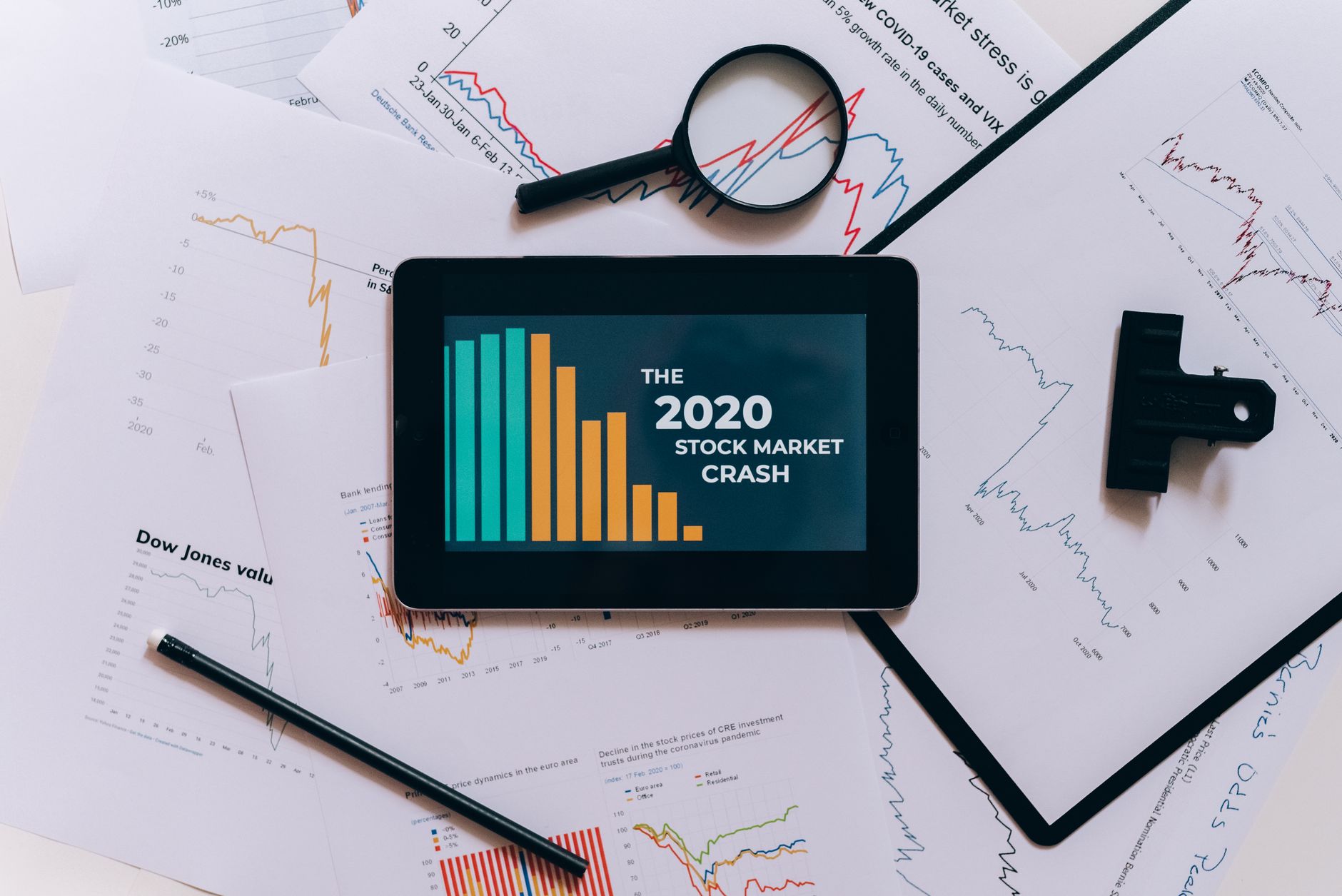
stock markets crash is a concern today as investors watch the Sensex and Nifty closely. With Paytm in focus, market reactions are expected to be significant.
Current Market Overview
The global financial landscape has been shaken as stock markets crash, leaving investors grappling with uncertainty. Early trading sessions have shown a significant decline, particularly in major indices such as the Sensex and Nifty. Analysts are closely monitoring the situation, speculating whether this trend will continue throughout the day.
Market sentiment appears to be influenced by a combination of factors, including:
- Economic Data: Recent reports indicating slower than expected growth rates have raised red flags among investors.
- Geopolitical Tensions: Ongoing conflicts and trade disputes are contributing to market volatility.
- Corporate Earnings: Disappointing earnings reports from key companies like Paytm have heightened fears of a deeper market correction.
As the day unfolds, many are left wondering if today will mark the worst day for investors in recent history. The potential for a market rebound remains uncertain, and with the current trends, cautious investment strategies are being advised. Investors are encouraged to stay informed and consider their options carefully during this turbulent time.
Factors Influencing Market Trends
The recent fluctuations in stock markets have left many investors on edge, prompting discussions about the potential for a stock markets crash. Several factors are influencing these trends and contributing to ongoing volatility.
- Economic Indicators: Key economic indicators such as inflation rates and unemployment figures play a crucial role in shaping investor sentiment. A rise in inflation can lead to tighter monetary policy, which may spook the markets.
- Global Events: International conflicts, trade tensions, and geopolitical instability can have immediate effects on market confidence. Investors often react swiftly to news that may impact global trade dynamics.
- Corporate Earnings: Earnings reports from major companies can set the tone for market performance. Disappointing results can lead to a sell-off, while strong earnings may bolster investor confidence.
- Technological Changes: Innovations and shifts in technology can disrupt traditional sectors, causing uncertainty. Investors must navigate these changes carefully to avoid losses.
Staying informed about these factors is essential for investors as they assess their portfolios during turbulent times.
Expert Predictions for Today
As investors brace for what could be a tumultuous day, expert predictions regarding the stock markets crash are causing concern. Analysts suggest that today may be one of the worst days for investors, with several factors contributing to heightened volatility.
Market experts have noted key indicators that could signal further declines:
- Global Economic Trends: Continued uncertainty in international markets has raised alarms about potential ripple effects.
- Interest Rate Decisions: Announcements from central banks regarding interest rates could impact investor sentiment and market stability.
- Corporate Earnings Reports: Poor earnings forecasts from major companies may lead to panic selling.
Additionally, investors are advised to stay cautious as sentiment remains fragile. The potential for a stock markets crash looms large, and experts recommend reviewing portfolios and considering risk management strategies. With Paytm and other tech stocks in focus, today’s trading could be pivotal for many investors watching closely for signs of recovery or further decline.
Investor Sentiment Analysis
Investor sentiment has taken a significant hit as news of a potential stock markets crash spreads. Many are grappling with uncertainty, leading to a wave of panic selling. Analysts note that the mood among investors reflects a growing lack of confidence in the market’s stability.
Several factors are contributing to this negative sentiment:
- Economic Indicators: Recent reports indicate sluggish economic growth, raising concerns about future profitability for companies.
- Global Events: Geopolitical tensions and changes in international trade policies have created a ripple effect, impacting investor confidence worldwide.
- Market Volatility: The recent fluctuations in stock prices have left many investors feeling anxious, exacerbating fears of a crash.
Moreover, retail investors appear to be particularly affected, as many have recently entered the market during a bullish period. Now, faced with the possibility of a downturn, they are reconsidering their positions. Overall, the atmosphere is charged with apprehension, and many are closely monitoring the market for signs of recovery or further decline.
Paytm’s Impact on the Market
Paytm’s recent performance has become a focal point amidst the ongoing stock markets crash, raising concerns among investors. The digital payment giant, which has been under scrutiny since its IPO, is facing significant pressure as its stock price continues to fluctuate. Analysts suggest that Paytm’s struggles could have a ripple effect on broader market sentiment.
Investors are particularly concerned about the following aspects:
- Profitability Challenges: Paytm has yet to demonstrate consistent profitability, which has led to skepticism around its long-term viability.
- Market Position: With increasing competition in the fintech space, Paytm’s market share is increasingly threatened, further contributing to investor anxiety.
- Regulatory Scrutiny: The company faces ongoing regulatory challenges that could impact its operations and growth prospects.
As the stock markets crash unfolds, Paytm’s trajectory will be closely monitored, with many investors hoping for a turnaround. The company’s performance may ultimately serve as an indicator of broader market health, influencing investor decisions in this volatile environment.
Historical Context of Market Crashes
The phenomenon of stock markets crashing is not new, with historical precedents offering insights into investor behavior and market dynamics. Significant downturns often occur due to a combination of external shocks and internal economic pressures.
Some of the most notable market crashes include:
- The Great Depression (1929): The stock market crash on October 29, 1929, marked the beginning of a decade-long economic downturn, leading to widespread unemployment and poverty.
- Black Monday (1987): On October 19, 1987, the Dow Jones Industrial Average plummeted by over 22%, the largest one-day percentage drop in history, triggered by panic selling.
- The Dot-com Bubble (2000): The burst of this bubble led to a significant decline in technology stocks, with many investors losing substantial amounts as the market adjusted.
- The Global Financial Crisis (2008): Triggered by the collapse of major financial institutions, this crisis caused stock markets worldwide to crash, wiping out trillions in value.
These events highlight how quickly market sentiment can shift, leading to significant stock markets crashes that reshape the financial landscape.
The recent stock markets crash has left many investors questioning their strategies and future prospects. As analysts assess the impact of this stock markets crash, it becomes clear that the volatility may continue in the coming weeks.
Photo by Leeloo The First on Pexels
Sources
India Today · 2020 stock market crash
Related stories
Sensex jumps today: Best proven strategies for market gains · Indian shares opening higher: Proven market trends · Kestra Medical revenue: Best proven growth outlook for Q1
About the Author