Children experience rapid physical and neurological development, and any disruption in this process can affect learning, behavior, and overall well-being. In such situations, consulting a pediatric neurologist in Vijayawada becomes essential to evaluate symptoms related to the brain, spinal cord, and nervous system. Pediatric neurology focuses specifically on diagnosing and managing neurological conditions in infants, children, and adolescents. Early medical attention ensures that potential issues are addressed before they interfere with a child’s development.
Parents often struggle to recognize when neurological symptoms require specialist care. While occasional headaches, clumsiness, or sleep disturbances may seem harmless, persistent symptoms may signal an underlying neurological condition. Pediatric neurologists are trained to identify these patterns and develop treatment strategies suited to a child’s unique developmental needs.
Understanding Pediatric Neurology
Pediatric neurology is a specialized branch of medicine that deals with disorders affecting the nervous system in children. This includes the brain, spinal cord, nerves, and muscles. Since children’s brains are still developing, neurological conditions in childhood require a different approach compared to adult neurology.
Specialists in this field diagnose and treat conditions such as epilepsy, developmental delays, cerebral palsy, migraines, neuromuscular disorders, and learning disabilities. Early detection and intervention are important because many neurological conditions respond better to treatment when addressed during the early stages of development.
Pediatric neurologists also work closely with other specialists, including pediatricians, physiotherapists, psychologists, and nutritionists, to ensure holistic care for the child.
Signs That May Indicate Neurological Concerns
Recognizing early warning signs can help parents seek medical advice at the right time. While some symptoms may be temporary, recurring or severe signs should be evaluated by a specialist.
Some common symptoms include:
- Frequent or severe headaches
- Seizures or unexplained loss of consciousness
- Delayed speech or motor development
- Poor coordination or balance problems
- Behavioral or learning difficulties
- Persistent muscle weakness
- Unusual movements or tremors
When these symptoms occur repeatedly or worsen over time, they may indicate neurological disorders that require professional evaluation.
Common Pediatric Neurological Conditions
Children may experience a wide range of neurological disorders. Some conditions are present at birth, while others develop during childhood.
Below is a table highlighting common neurological conditions seen in children and their typical symptoms.
| Condition | Description | Common Symptoms |
| Epilepsy | Neurological disorder causing recurrent seizures | Seizures, confusion, temporary loss of awareness |
| Cerebral Palsy | Movement disorder caused by brain injury or abnormal development | Muscle stiffness, poor coordination |
| Developmental Delay | Delay in reaching developmental milestones | Late speech, difficulty walking |
| Migraine | Severe recurring headaches | Head pain, nausea, sensitivity to light |
| Neuromuscular Disorders | Conditions affecting muscles and nerves | Weakness, fatigue, reduced mobility |
Understanding these conditions allows parents to identify potential warning signs early and seek appropriate medical care.
When Should Parents Consult a Pediatric Neurologist?
Not every minor symptom requires a neurology consultation. However, certain situations make specialist evaluation necessary.
Parents should consider seeing a pediatric neurologist if their child experiences:
- Recurring seizures or fainting episodes: These may indicate epilepsy or other neurological disorders.
- Persistent headaches: Frequent migraines or headaches interfering with daily activities need evaluation.
- Delayed developmental milestones: If a child struggles with speech, walking, or coordination.
- Behavioral or learning difficulties: Some neurological conditions affect cognitive function and attention.
- Muscle weakness or abnormal movements: These symptoms may signal neuromuscular disorders.
Consulting a pediatric neurologist in Vijayawada helps ensure accurate diagnosis and timely intervention, which can significantly improve a child’s health outcomes.
Importance of Early Diagnosis
Neurological conditions can impact multiple aspects of a child’s life, including academic performance, emotional well-being, and social development. Early diagnosis enables doctors to start treatment before symptoms worsen.
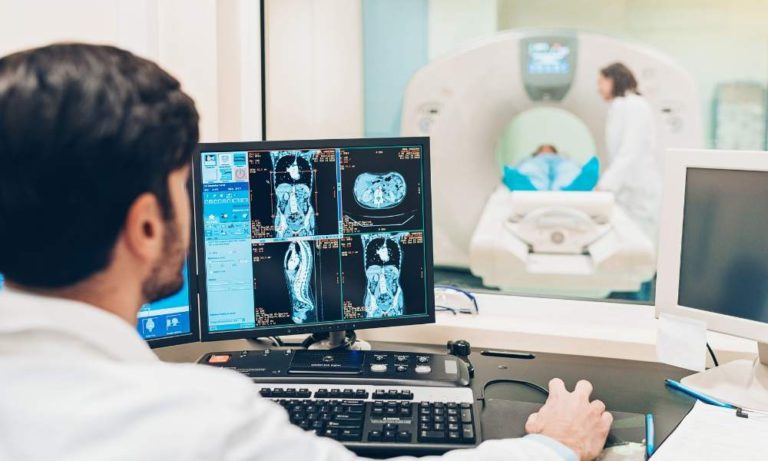
Modern pediatric neurology care often includes advanced diagnostic tools such as:
- Brain imaging scans
- Electroencephalograms (EEG)
- Genetic testing
- Developmental assessments
These technologies help specialists understand the root cause of neurological symptoms and develop personalized treatment plans.
Early therapy may involve medications, rehabilitation therapy, occupational therapy, or lifestyle adjustments to support the child’s development.
Treatment Approaches in Pediatric Neurology
Treatment for neurological conditions varies depending on the diagnosis and severity of symptoms. Pediatric neurologists design individualized treatment plans that focus on both symptom control and developmental improvement.
Common treatment approaches include:
- Medication therapy to control seizures, migraines, or neurological symptoms
- Physical therapy to improve mobility and coordination
- Speech therapy for children with communication delays
- Behavioral therapy to address cognitive or learning challenges
- Nutritional guidance to support brain development
Parents often consult specialists to identify the best pediatric neurologist doctor in Vijayawada who can guide them through these treatment options and provide long-term care for their child.
Supporting a Child with Neurological Conditions
Parents play a vital role in managing neurological conditions. Beyond medical treatment, a supportive home environment helps children cope with challenges and build confidence.
Some ways parents can support their child include:
- Encouraging regular therapy sessions
- Maintaining a consistent daily routine
- Ensuring balanced nutrition and proper sleep
- Communicating regularly with healthcare providers
- Monitoring symptoms and developmental progress
By staying involved in their child’s care plan, parents can help improve treatment outcomes and support healthy growth.
Choosing the Right Pediatric Neurology Care Center
When seeking specialized neurological care, it is important to choose a healthcare center with experienced specialists, modern diagnostic technology, and comprehensive pediatric services.
A multidisciplinary approach allows doctors from different specialties to collaborate on complex cases. Pediatric neurology care centers often include services such as developmental pediatrics, rehabilitation therapy, nutrition counseling, and psychological support.
This integrated care ensures children receive accurate diagnosis, effective treatment, and ongoing support throughout their development.
Conclusion
Understanding when children should see neurological specialists is crucial for ensuring early diagnosis and effective treatment. Symptoms like seizures, developmental delays, and persistent headaches should never be ignored. Access to specialized care helps children overcome health challenges and reach their full developmental potential.
families searching for hematology oncology doctors near me and neurological specialists to receive expert care under one roof. Healthcare providers such as Ankura Hospital offer comprehensive pediatric services. Ankura Hospital is a renowned healthcare institution focused on women’s and children’s health. The hospital provides advanced pediatric services supported by experienced specialists, modern medical technology, and child-friendly care environments. Its multidisciplinary approach ensures children receive comprehensive diagnosis, treatment, and long-term medical support for various health conditions
About the Author